
When parents download an app for their child, they often look at the age rating, colorful graphics, or the number of downloads. But one recent headline reminds us that there is another question worth asking:
How does this app protect children?
The U.S. Senate has launched an investigation into Roblox over concerns about child safety and how the platform handles reports of online exploitation. Lawmakers are seeking answers about whether enough is being done to protect young users from inappropriate interactions and harmful content. Roblox has said it is committed to child safety and plans to cooperate with the investigation.
Regardless of the outcome, this story is an important reminder that parents should understand how children’s apps work before handing over a device.
Five Questions Every Parent Should Ask
1. Can my child communicate with strangers?
Many popular platforms include chat, messaging, or social features that allow users to interact with people they don’t know. While these features can create fun experiences, they also require strong safety measures and active parental involvement.
2. Is the content created by professionals or by users?
Some platforms allow anyone to publish games, videos, or experiences. Others carefully curate every piece of content before it reaches children. Understanding who creates the content can help parents make informed decisions.
3. Are there ads or recommendation algorithms?
Many apps are designed to keep users engaged for as long as possible through personalized recommendations or advertising. Parents may prefer experiences that let children learn without constant interruptions or endless scrolling.
4. What parental controls are available?
Look for features such as screen-time limits, age settings, content filters, and activity controls. These tools can help families choose experiences that match their child’s age and maturity.
5. What is the app’s primary purpose?
Some apps are designed primarily for social interaction or entertainment. Others focus on education, creativity, or reading. Knowing the goal of an app helps set expectations for how your child will use it.
There Is No Perfect App
No platform is completely risk-free, and no technology can replace active parenting. Talking with children about online safety, setting reasonable boundaries, and staying involved remain the best ways to help them develop healthy digital habits.
News stories like this are also a good reminder that online safety is an ongoing responsibility for technology companies. As children’s digital lives continue to grow, families deserve platforms that take safety seriously and continually improve their protections.
Our Philosophy at Kid’s Portal
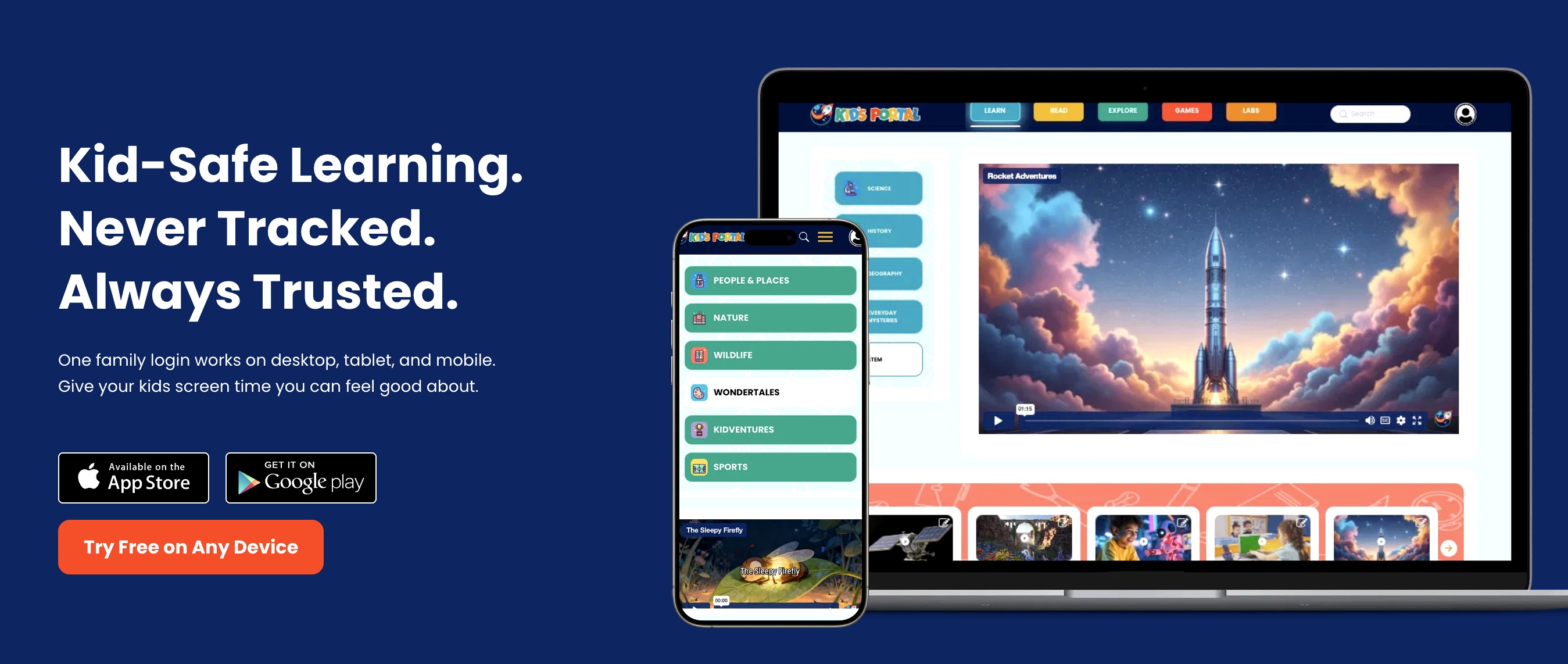
At Kid’s Portal, we believe educational screen time should be simple, safe, and focused on learning. That’s why we’ve chosen a different approach:
Every family has different needs, but asking thoughtful questions before downloading an app is one of the best ways to help children enjoy a safer online experience.